

C-suite leaders gain proven decision frameworks. Learn practical strategies for complex choices, driving strategic success and growth.
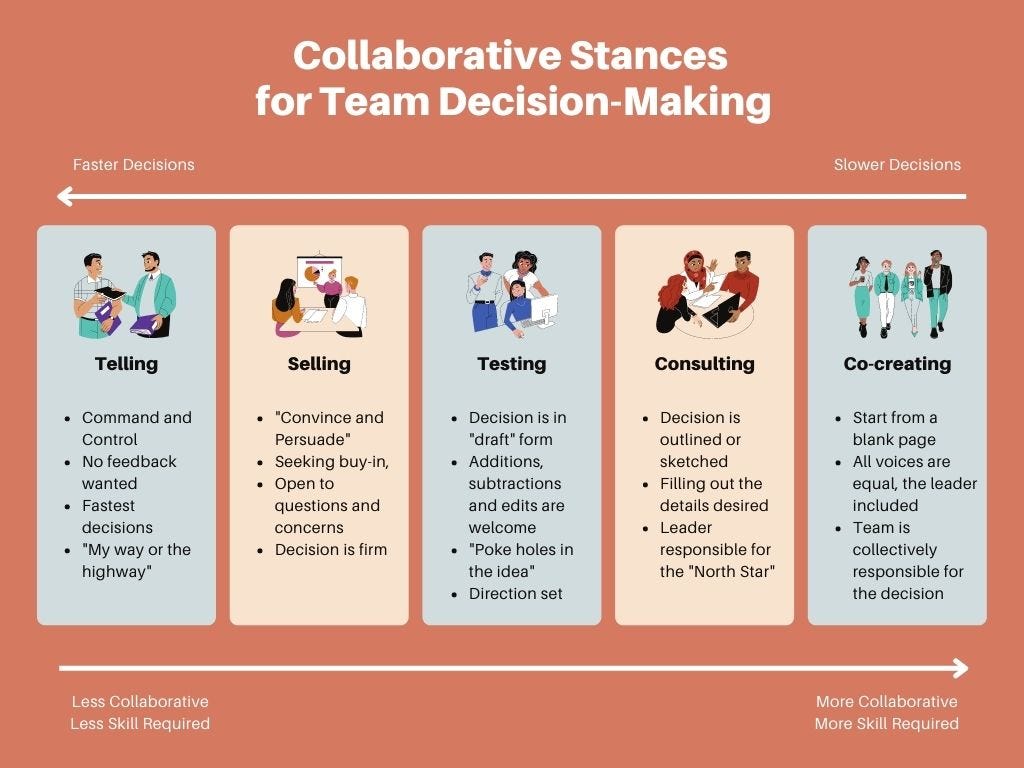
At the C-suite level, decision-making shapes an organization’s destiny. These are not merely choices but strategic imperatives with far-reaching implications for market position, financial health, and workforce morale. From my experience, relying on intuition alone, while valuable, is insufficient for today’s intricate business landscape. Leaders require structured approaches to dissect problems, weigh options, and commit to actions that propel their companies forward. The goal is to make well-informed, consistent decisions that build trust and deliver sustainable value.
Overview
- C-suite decision-making demands structured approaches beyond pure intuition.
- Rational models help leaders analyze complex situations methodically.
- Data-driven frameworks are crucial for evidence-based strategic planning.
- Balancing analytical rigor with seasoned judgment is key for executive choices.
- Effective decision-making processes account for stakeholder impact and risk.
- Successful implementation requires clear communication and accountability.
- Continuous evaluation of decision outcomes improves future leadership effectiveness.
Foundational Approaches for Executive Decisions: Effective decision-making frameworks for C-suite leaders
Successful C-suite leaders often employ foundational decision-making models to systematically approach complex challenges. One such method is the Rational Decision-Making Model, which involves defining the problem, gathering information, identifying alternatives, evaluating options, selecting the best alternative, and then implementing and evaluating the decision. This linear process provides a rigorous structure, especially valuable when stakes are high and all variables need careful consideration. For instance, when a US-based tech firm contemplated a major acquisition, they meticulously followed these steps, analyzing market synergies, financial projections, and potential cultural integration issues before proceeding.
Another practical framework is the Cynefin framework, which helps leaders understand the context of a situation – simple, complicated, complex, or chaotic – before choosing an appropriate response. In a “complicated” domain, experts analyze options; in a “complex” domain, experimentation and probing are more suitable. This perspective acknowledges that not all problems fit a standard analytical mold. It helps prevent applying a rigid process to a fluid situation, saving time and resources.
Leveraging Data for Strategic Insights through Effective decision-making frameworks for C-suite leaders
In today’s data-rich environment, Effective decision-making frameworks for C-suite leaders are increasingly data-driven. Executives utilize analytics to move beyond guesswork, basing choices on quantifiable evidence. The use of scenario planning, for example, allows leaders to project different future states based on varying assumptions and data points. This helps in stress-testing strategies against potential market shifts, regulatory changes, or technological disruptions. Companies might build three to five plausible scenarios – optimistic, pessimistic, and most likely – to assess the resilience of their core strategy.
Furthermore, leveraging A/B testing or pilot programs for new initiatives provides real-world data before a full-scale rollout. This minimizes risk and allows for iteration based on actual performance metrics rather than theoretical projections. For example, a retail chain testing a new loyalty program in a few select markets before a nationwide launch collects critical insights, allowing for adjustments that optimize its success across all stores. These approaches embed evidence collection into the decision process itself, fostering a culture of continuous learning and adaptation within the leadership team.
Assessing Risk and Uncertainty in Leadership
C-suite decisions rarely occur in a vacuum of certainty. Many choices involve inherent risks and unpredictable variables. Robust frameworks help leaders quantify and qualify these elements. Risk assessment matrices, for instance, plot potential risks against their likelihood and impact, helping prioritize which risks demand immediate attention. This visual tool enables executives to focus resources where they matter most, rather than being overwhelmed by a multitude of minor concerns. Understanding the risk appetite of the organization is also key; some companies are innovators willing to embrace higher risk for higher reward, while others prioritize stability.
Uncertainty often requires a different approach than calculable risk. Here, flexibility and contingency planning become paramount. Real options analysis, borrowed from financial markets, treats strategic investments as options that can be exercised, delayed, or abandoned as new information emerges. This approach values the flexibility of waiting for more data, rather than committing to a fixed course too early. Leaders also develop robust contingency plans, ensuring that if a primary strategy falters, well-defined alternatives are ready for activation, maintaining organizational stability.
Executing Decisions for Organizational Success with Effective decision-making frameworks for C-suite leaders
Making a decision is only half the battle; its successful execution determines its true impact. Effective decision-making frameworks for C-suite leaders extend to implementation and follow-through. Clear communication is paramount. Every stakeholder, from board members to frontline employees, must understand the rationale behind the decision, the expected outcomes, and their specific roles in achieving them. Ambiguity can quickly derail even the soundest strategy. Creating a communication plan alongside the decision framework ensures that messaging is consistent and compelling.
Accountability is another critical component. Assigning clear ownership for action items and establishing metrics for success ensures that momentum is maintained. Regular reviews and feedback loops are essential to monitor progress, identify deviations, and make necessary course corrections. These reviews are not just about checking boxes; they provide opportunities for learning and adapting. A decision-making process isn’t truly complete until its impact has been assessed, lessons have been documented, and those insights are integrated into future executive choices, fostering continuous improvement in leadership judgment.
About the Author


