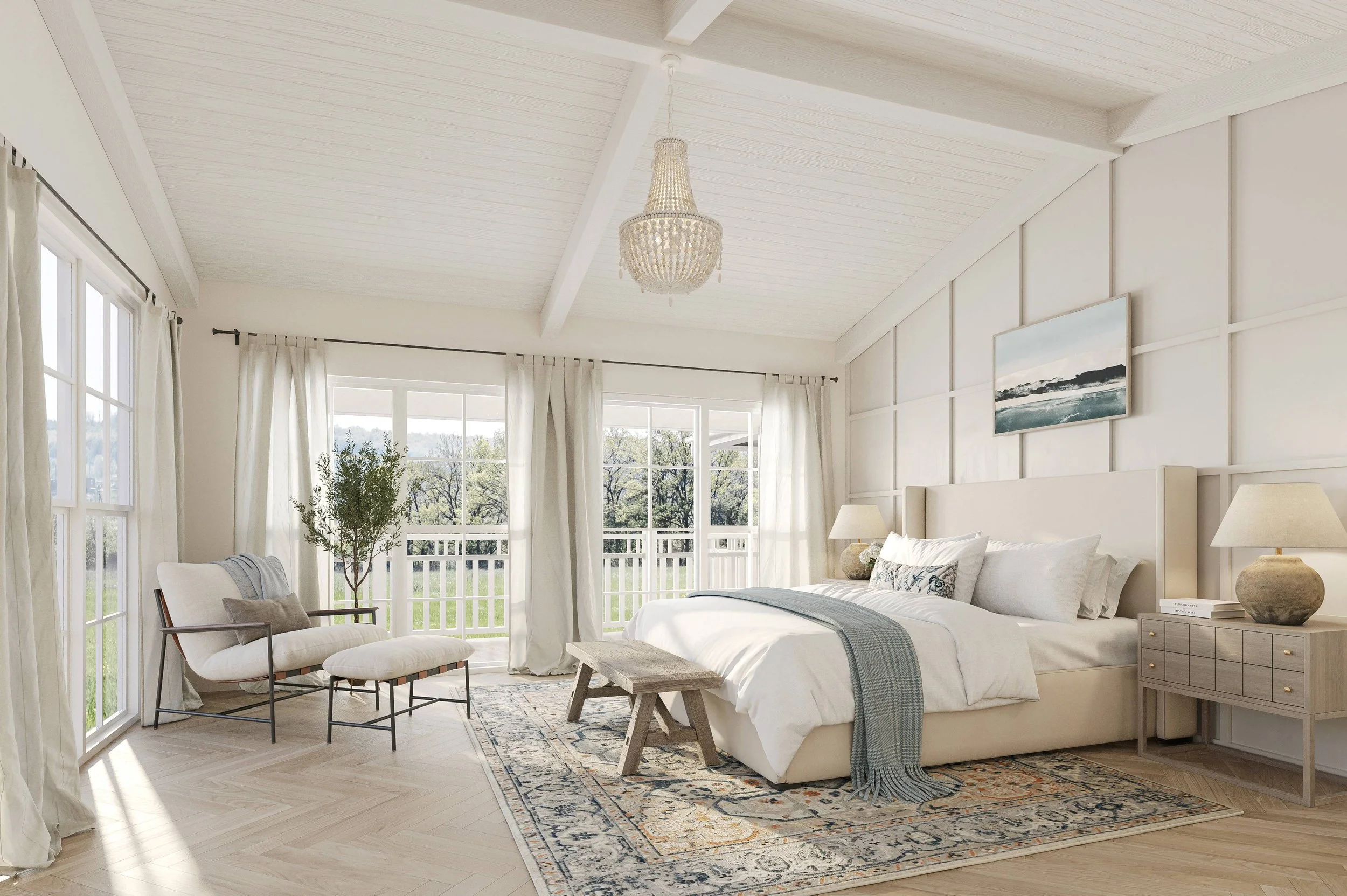

Achieve lasting property appreciation with proven Property value enhancement strategies. Learn practical steps to increase home worth.

For many property owners, a home is more than just a residence; it’s a significant asset. Protecting and growing its value requires a thoughtful approach, focusing on improvements that genuinely resonate with future buyers and market demands. Effective planning can distinguish between a costly renovation and a smart investment. My experience in the real estate sector has shown that a strategic mindset yields the best returns.
Overview
- Prioritize curb appeal through landscaping, exterior paint, and well-maintained entryways to create a strong first impression.
- Focus on kitchen and bathroom remodels for the highest return on investment, making sure designs are broadly appealing.
- Integrate smart home technology and energy-efficient systems to appeal to modern buyers and reduce long-term costs.
- Address foundational issues like roofing, plumbing, and electrical systems before cosmetic upgrades to ensure structural integrity.
- Understand local market trends and buyer preferences to tailor improvements for maximum impact.
- Small, inexpensive updates often yield significant perceived value, complementing larger projects.
- Maintain the property regularly to prevent costly repairs and preserve its condition over time.
First Impressions: Maximizing Curb Appeal and Exterior Value as Property value enhancement strategies
The exterior of a property is its handshake. It is the first thing a potential buyer sees, shaping their initial perception. My work often begins with assessing curb appeal, a critical component of Property value enhancement strategies. Simple, cost-effective updates can make a substantial difference. For instance, fresh exterior paint in a neutral, appealing color can revitalize an older home. Consider the impact of a well-manicured lawn and healthy landscaping. Trimmed bushes, vibrant flowers, and clear walkways instantly make a property more inviting.
A sturdy roof, clean gutters, and well-maintained siding are essential. These elements signal a property that has been cared for. Replacing an old front door or garage door can offer a strong return on investment. These items are major visual components. In the US, buyers often look for move-in ready homes. Addressing exterior wear and tear communicates readiness. Even small details, like updated exterior lighting or new house numbers, contribute to a polished look. Such thoughtful touches create a lasting positive impression. This holistic approach helps to solidify the home’s perceived worth.
Interior Upgrades with High Return on Investment
Inside the home, certain improvements consistently offer higher returns. Kitchens and bathrooms are prime areas for Property value enhancement strategies. Buyers scrutinize these spaces closely. A full kitchen remodel can be expensive, but targeted updates work well. Replacing outdated countertops, refreshing cabinet hardware, or installing a modern backsplash can update the space without a complete overhaul. Energy-efficient appliances are also a strong selling point. They appeal to buyers concerned about utility costs.
For bathrooms, consider new vanities, fresh tile, or updated fixtures. A clean, bright bathroom feels more luxurious. Neutral color palettes throughout the home provide a blank canvas for new owners. This allows them to envision their own style. Flooring is another key area. Hardwood floors or quality laminate generally outperform old carpets. Good lighting, both natural and artificial, makes rooms feel larger and more welcoming. Functional layouts are also important. Sometimes, removing a non-load-bearing wall can open up a living area, creating a more contemporary feel. These calculated changes often make the biggest impact.
Smart Home Integration and Energy Efficiency as Property value enhancement strategies
In today’s market, buyers increasingly value convenience and sustainability. Integrating smart home technology and improving energy efficiency are strong Property value enhancement strategies. Smart thermostats, like those from Ecobee or Nest, provide comfort and help reduce energy bills. Smart lighting systems offer personalized control and can save electricity. Security systems with smart cameras and doorbells add a layer of safety, appealing to many families. These features provide a modern edge.
Beyond smart devices, foundational energy improvements hold significant value. Upgrading insulation in attics and walls can dramatically improve a home’s thermal performance. Replacing old, single-pane windows with energy-efficient alternatives reduces heat loss and gain. Modern HVAC systems operate more efficiently, lowering utility costs and providing consistent indoor temperatures. Solar panels, while a larger investment, can be a major draw in some markets, particularly with government incentives. Such improvements offer long-term savings and comfort, making a property more attractive to a broad range of buyers. They reflect a future-forward approach to home ownership.
Foundational Improvements and Market Responsiveness
While cosmetic upgrades catch the eye, a property’s true value rests on its structural integrity. Addressing foundational issues is crucial, even if less glamorous. This involves ensuring the roof is sound, the plumbing is leak-free, and the electrical system is up to code. Buyers need confidence in these core components. Issues like a cracked foundation, outdated wiring, or a leaky basement can deter sales. Investing in these areas provides peace of mind for future owners. It prevents unforeseen and costly repairs down the line.
Understanding local market conditions is also paramount. What sells well in one US region might not in another. Researching recent sales of comparable properties helps set realistic expectations. Observing popular design trends and buyer preferences in your specific area ensures your efforts are well-placed. For instance, outdoor living spaces have become highly desirable. Adding a deck, patio, or even an outdoor kitchen can significantly increase appeal. The goal is to align your property with what the prevailing market truly values. This ensures efforts translate directly into increased sale price or appraised value.
About the Author