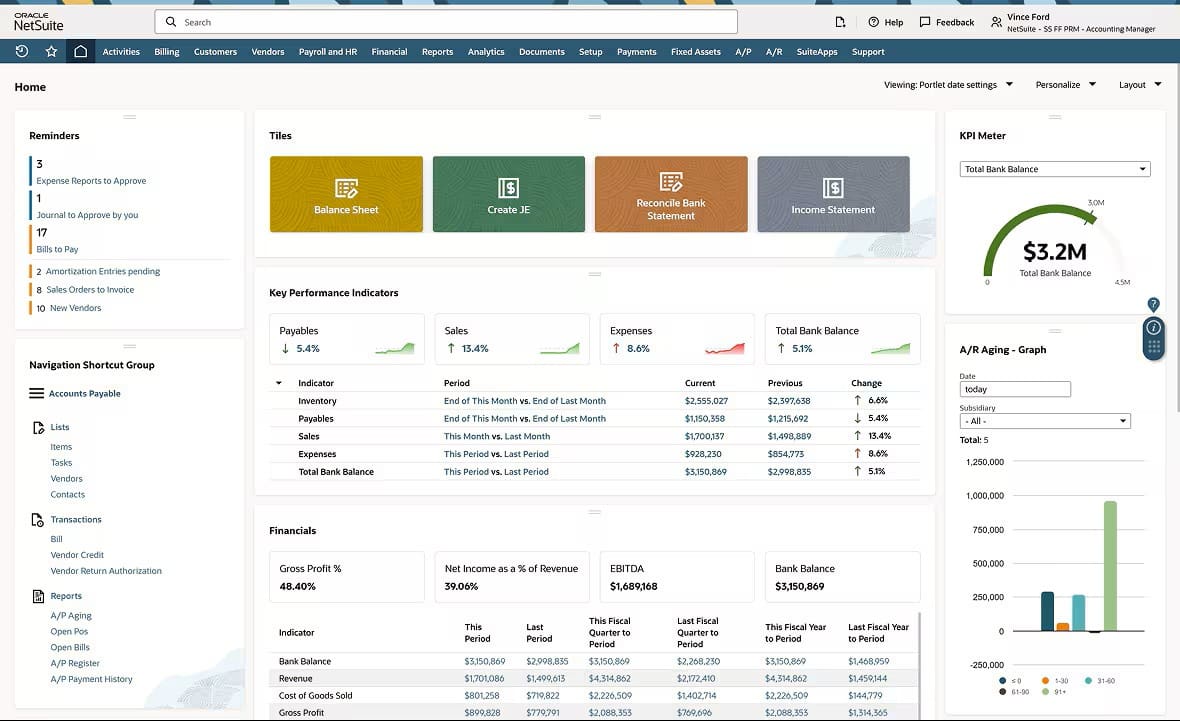

Optimize inventory with precise supply and demand modeling for inventory control. Improve efficiency, reduce costs, and meet customer needs effectively.

In the fast-paced world of modern commerce, effective inventory management is not merely about counting stock; it’s a strategic imperative. From my years in logistics and supply chain operations, I’ve seen firsthand how crucial it is to move beyond static reorder points. True efficiency comes from understanding market dynamics and customer behavior. This means leveraging sophisticated methods to predict what products will be needed, when, and in what quantities. Failing to do so can lead to costly overstocking or crippling stockouts, impacting revenue and customer loyalty.
Overview
- Supply and demand modeling for inventory control is essential for modern business efficiency.
- It moves inventory management beyond basic reorder points to predictive analytics.
- Accurate models help prevent both excess stock (carrying costs) and stockouts (lost sales).
- Key data inputs include sales history, market trends, seasonality, and external factors.
- Model selection ranges from simple moving averages to advanced machine learning algorithms.
- Real-time data integration and continuous model refinement are vital for accuracy.
- Successful implementation leads to reduced operational costs and improved customer satisfaction.
- The US market, with its diverse consumer base, particularly benefits from granular modeling.
The Foundation of Supply and demand modeling for inventory control
At its core, supply and demand modeling for inventory control involves predicting future product needs based on historical data and anticipated market shifts. This isn’t just about simple sales forecasting. It incorporates a wide array of factors: past sales volumes, seasonal fluctuations, promotional impacts, and even external economic indicators. The goal is to align inventory levels with actual customer demand, avoiding both surplus and scarcity. For instance, a retailer preparing for holiday sales needs more than last year’s numbers. They must factor in current economic outlooks, competitor actions, and emerging product trends. This predictive capability directly impacts working capital and warehouse space utilization.
Understanding demand patterns allows businesses to optimize their purchasing and production schedules. This reduces lead times and improves responsiveness to market changes. From a supplier perspective, predicting demand from various customers helps in managing raw material procurement and manufacturing capacity. This integrated approach ensures that the entire supply chain operates smoothly, from the initial raw material sourcing to the final delivery to the end consumer. It’s a dynamic process that demands ongoing attention and adaptation.
Key Data Inputs for Effective Inventory Management
The accuracy of any inventory control model hinges on the quality and breadth of its data inputs. We typically start with historical sales data, segmenting it by product, region, and time period. Beyond this, external data sources offer critical insights. Economic indicators, such as GDP growth or consumer confidence indexes, can signal broader market trends. Localized demographic shifts or social media sentiment analysis might predict changes in specific product categories.
Seasonality is a common factor, but unexpected events like weather patterns or cultural shifts also play a role. For example, a major winter storm can disrupt supply lines, creating an artificial demand spike in certain regions. Conversely, a new product launch from a competitor might suppress demand for existing items. Integrating point-of-sale data, marketing campaign performance, and supplier lead times provides a holistic view. Gathering these diverse datasets, cleaning them, and preparing them for analysis is often the most time-consuming but crucial step in building a robust model.
Real-World Challenges in Supply and demand modeling for inventory control
Implementing robust supply and demand modeling for inventory control often presents significant hurdles. One major challenge is data quality. Inconsistent data entry, missing records, or disparate systems can severely compromise model accuracy. Integrating data from various sources—ERP systems, POS terminals, CRM databases, and external market intelligence—requires robust IT infrastructure and data governance protocols. Without clean, reliable data, even the most sophisticated algorithms yield flawed predictions.
Another real-world complexity arises from market volatility. Geopolitical events, sudden shifts in consumer preferences, or unforeseen supply chain disruptions can quickly render existing models obsolete. The COVID-19 pandemic, for instance, dramatically altered demand patterns across countless industries, making historical data less relevant. Businesses operating in the US, with its vast and varied consumer landscape, experience these fluctuations acutely. Therefore, models must be adaptive, incorporating mechanisms for rapid recalibration based on real-time feedback and emerging trends. This continuous refinement is paramount for sustained effectiveness.
Future-Proofing Operations with Supply and demand modeling for inventory control
Adopting advanced supply and demand modeling for inventory control is a strategic investment in business resilience. Companies are increasingly turning to machine learning and AI algorithms to process complex datasets and identify subtle patterns. These technologies can account for non-linear relationships and interactions that traditional statistical methods might miss. Predictive analytics allows businesses to forecast not just demand, but also potential supply chain bottlenecks, enabling proactive mitigation strategies. This shift from reactive to proactive management is a game-changer.
The move towards hyper-personalization in retail means inventory models must become even more granular, predicting demand at the individual customer or micro-segment level. Real-time sensor data from warehouses, coupled with IoT devices throughout the supply chain, can feed live information into these models, improving their responsiveness. By continually refining these models and integrating new data streams, businesses can maintain a competitive edge. This forward-looking approach ensures inventory levels are always optimized, supporting efficient operations and consistent customer satisfaction well into the future.
About the Author