

The Office for Budget Responsibility (OBR) plays a crucial role in the UK, providing independent analysis of the nation’s public finances. A key part of their remit is forecasting future economic growth, which informs government budgeting and fiscal policy decisions. However, a recurring theme in recent years has been the tendency for the OBR overestimated uk economic growth. This article delves into the reasons behind these overestimations, their consequences for the UK economy, and what can be learned from these forecasting discrepancies.
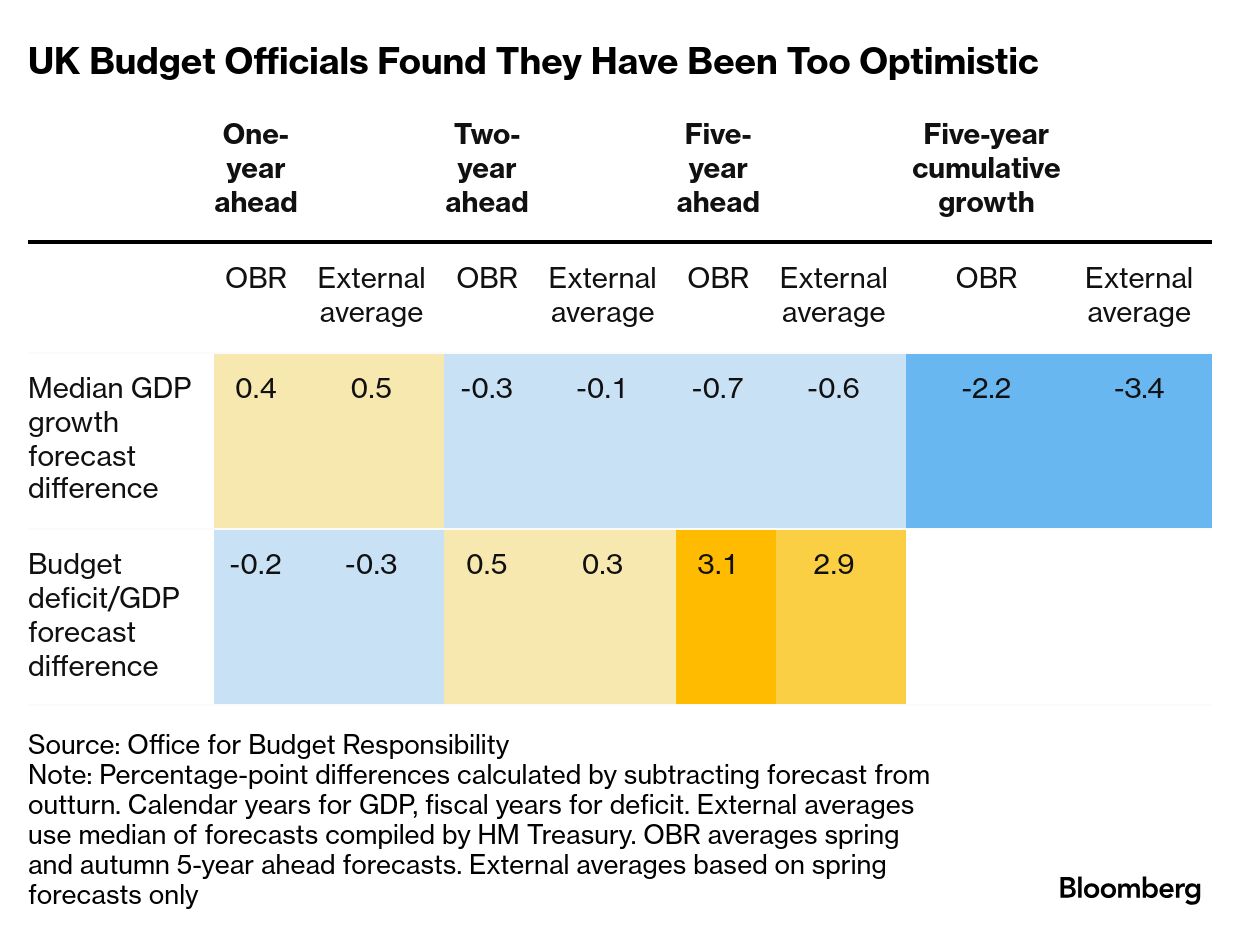
Key Takeaways:
- The OBR has a history of overestimating UK economic growth, impacting fiscal planning.
- Factors such as unforeseen global events, productivity slowdown, and inaccurate data contribute to forecasting errors.
- These overestimations can lead to budget shortfalls and necessitate adjustments to government spending and taxation.
- A more cautious and adaptive approach to economic forecasting is needed to improve the accuracy of future projections.
Why Has the OBR Overestimated UK Economic Growth?
Several factors contribute to the instances where the obr overestimated uk economic growth. One significant aspect is the inherent difficulty in predicting economic trends, especially in a globalized world subject to unforeseen events. The 2008 financial crisis, the Eurozone crisis, and more recently, the COVID-19 pandemic and the war in Ukraine, have all significantly impacted the UK economy in ways that were difficult, if not impossible, to foresee accurately.
Another factor lies in the challenge of accurately assessing underlying productivity growth. The UK has experienced a prolonged period of sluggish productivity since the financial crisis, a trend that has proven difficult to forecast and which has consistently led to overly optimistic growth projections. The OBR, like many economic forecasters, may initially assume a return to pre-crisis productivity levels, resulting in an inflated growth outlook.
Data limitations and revisions also play a role. Economic data is often subject to revisions, and initial estimates can be significantly different from final figures. This uncertainty in the data used to construct economic models can lead to inaccuracies in the resulting forecasts. Furthermore, relying too heavily on past trends without adequately accounting for structural changes in the economy can also contribute to forecasting errors. For example, changes in global trade patterns or shifts in consumer behavior can invalidate assumptions based on historical data.
Consequences When the OBR Overestimated UK Economic Growth
The consequences of the obr overestimated uk economic growth are far-reaching. When the OBR overestimates growth, the government may base its budget on overly optimistic revenue projections. This can lead to a shortfall in tax revenue if the actual economic growth falls short of the forecast.
This revenue shortfall can then necessitate difficult choices for the government. They may need to cut spending in other areas, increase taxes, or borrow more money to cover the gap. All of these options have potential negative consequences. Spending cuts can impact public services, tax increases can dampen economic activity, and increased borrowing can add to the national debt.
Furthermore, inaccurate forecasts can undermine confidence in the government’s economic management. If businesses and individuals consistently see the OBR’s forecasts being overly optimistic, they may become less trusting of government policy and less willing to invest and spend. This lack of confidence can, in turn, further depress economic growth. The knock-on effect of this is a distrust from the public and the investment community on the GB economic standing and health.
Improving the Accuracy of Economic Forecasts
Addressing the issue of the obr overestimated uk economic growth requires a multi-faceted approach. One key step is to adopt a more cautious and realistic approach to economic forecasting, acknowledging the inherent uncertainties and limitations. This may involve incorporating a wider range of scenarios into the forecasting process, including downside risks, and being more transparent about the assumptions that underpin the forecasts.
Another important step is to improve the quality and timeliness of economic data. This may involve investing in better data collection methods and speeding up the process of data dissemination. It also requires a willingness to revise forecasts as new data becomes available, even if this means admitting that previous forecasts were inaccurate.
Furthermore, the OBR should continue to refine its economic models, incorporating new research and insights into the drivers of economic growth. This may involve exploring alternative modeling techniques, such as agent-based modeling, which can better capture the complexity of the economy. The OBR needs to also consider that the UK economic is becoming more vulnerable than other economies and adjust its risk models accordingly.
The Impact on Fiscal Policy When the OBR Overestimated UK Economic Growth
The impact on fiscal policy when the obr overestimated uk economic growth can be significant and disruptive. As mentioned earlier, overoptimistic growth forecasts lead to inflated revenue projections, which inform government spending plans. When actual economic growth falls short of these projections, a fiscal gap emerges, forcing the government to make difficult and often unpopular decisions.
In such scenarios, the government may resort to austerity measures, cutting spending on essential public services like healthcare, education, and social welfare. These cuts can have a detrimental impact on vulnerable populations and can exacerbate existing inequalities. Alternatively, the government may increase taxes, which can stifle economic activity by reducing disposable income and business investment. This becomes a vicious cycle, as lower economic activity can lead to even lower revenue, further widening the fiscal gap.
The need to constantly adjust fiscal policy in response to inaccurate economic forecasts creates instability and uncertainty, making it difficult for businesses and individuals to plan for the future. This lack of predictability can undermine confidence in the government’s economic management and further depress economic growth. Therefore, the OBR’s role is not just about forecasting, but about ensuring the stability and credibility of the UK’s fiscal framework.
About the Author


